Known by stage names such as Shalkido or Shalkiddo Ga Cucu, his real name was Paul Koigi Mungai. He was previously a member of Sailors Gang, a group prominent in Kenya’s Gengetone wave, known for hits like Wamlambez, Wainame, and others. After the group’s dissolution, Shalkiddo continued trying to pursue music, exploring different styles and attempting to reinvent himself.
Those who followed his journey knew him as more than just a voice or lyrics: he was someone who openly shared his struggles, especially in his more difficult seasons. He often spoke of trying to make ends meet, the pressures of being a father, and how hard it was to stay afloat in a competitive industry. At times, he appealed to the public and to well-known personalities for support—seeking help to sustain his family or even requesting a motorbike so that he might rebuild a livelihood.

In the early hours of October 5, 2025, following a performance in Thika, Shalkiddo departed on his motorcycle, heading toward Nairobi. He was last seen alive during a brief stop at Ruiru Junction, where he and Oga Obinna who had been accompanying him stopped so that his bike could be refueled. At that moment, he was in good spirits, expressing gratitude and optimism. But just minutes later a short thirty or so minutes afterwards a horrific crash was reported near the stretch between Githurai and Carwash, not far from Roysambu.
He was rushed to Kenyatta University Teaching, Referral, and Research Hospital (KUTRRH) in critical condition. The injuries he suffered were severe: internal bleeding in the brain, swelling, and a broken left leg were among the reported traumas. Sadly, after he had been declared brain dead, doctors confirmed his death on the evening of October 6, 2025, at around 6:30 p.m. Family members had gathered as medical staff delivered the heartbreaking news, and his body was transferred to the morgue.

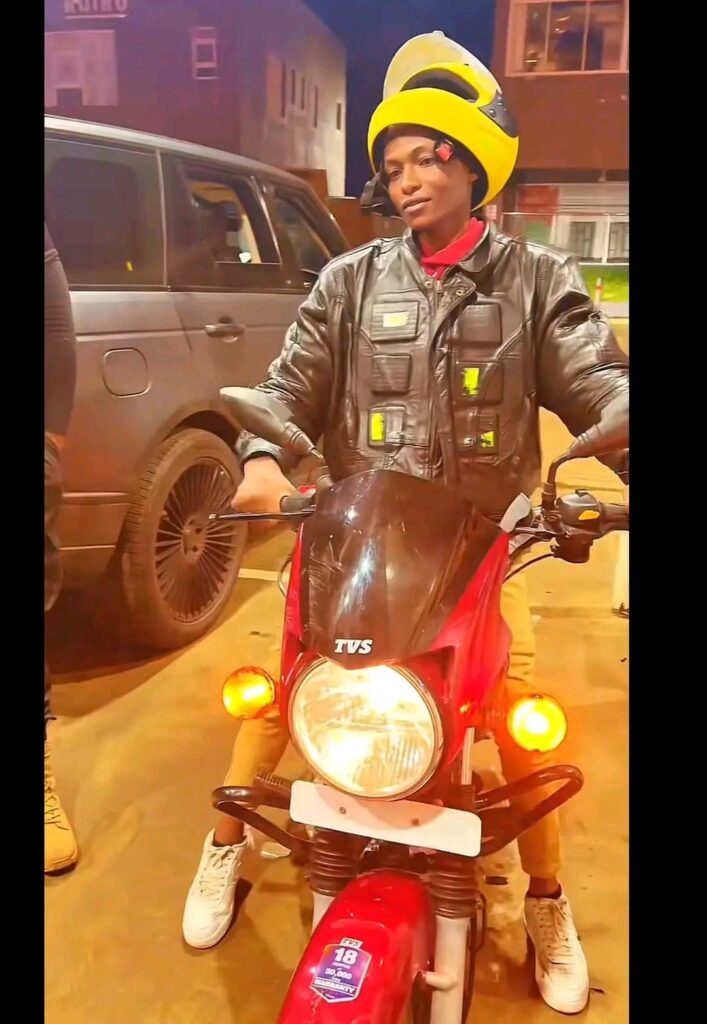
Some reports suggest there may have been hit-and-run elements to the accident, though investigations are ongoing. The tragic irony is that the very motorbike he had recently been gifted in a generous act of support was the same one he was riding when the accident occurred.
Shalkiddo’s passing has sent waves of shock and sorrow across Kenya particularly in the Gengetone and Mugithi music communities. Many fans, peers, and media personalities have shared tributes, memories, and prayers. What stands out in the wake of his death is how openly he lived part of his story his struggles, dreams, and vulnerability made him relatable to many who felt unseen in their own hardships.

His life prompts several reflections:
The vulnerability of artists — Many creatives, especially in emerging industries, operate under intense pressure, with minimal safety nets. The inconsistency of income, lack of structural support, and personal responsibilities can lead to precarious situations.
Community support matters — Earlier in 2025, comedian Eric Omondi responded to Shalkiddo’s appeal by gifting him a motorbike to help him get back on his feet. That act, meant to restore hope, tragically became part of the tragic narrative but it also underscores the importance of bridging gaps where institutional support is lacking.
The fragility of life — Moments before his death, Shalkiddo was smiling, optimistic, making plans. The abrupt shift from life to loss reminds us all how unexpected tragedy can be.
Advocacy for safety and mental health – With reports that he suffered head trauma and internal injuries, calls for safer roads, stricter enforcement, and better rider protection (helmets, training) are louder now. Also, his past admissions about mental and financial strain highlight the need for more mental health support for artists.
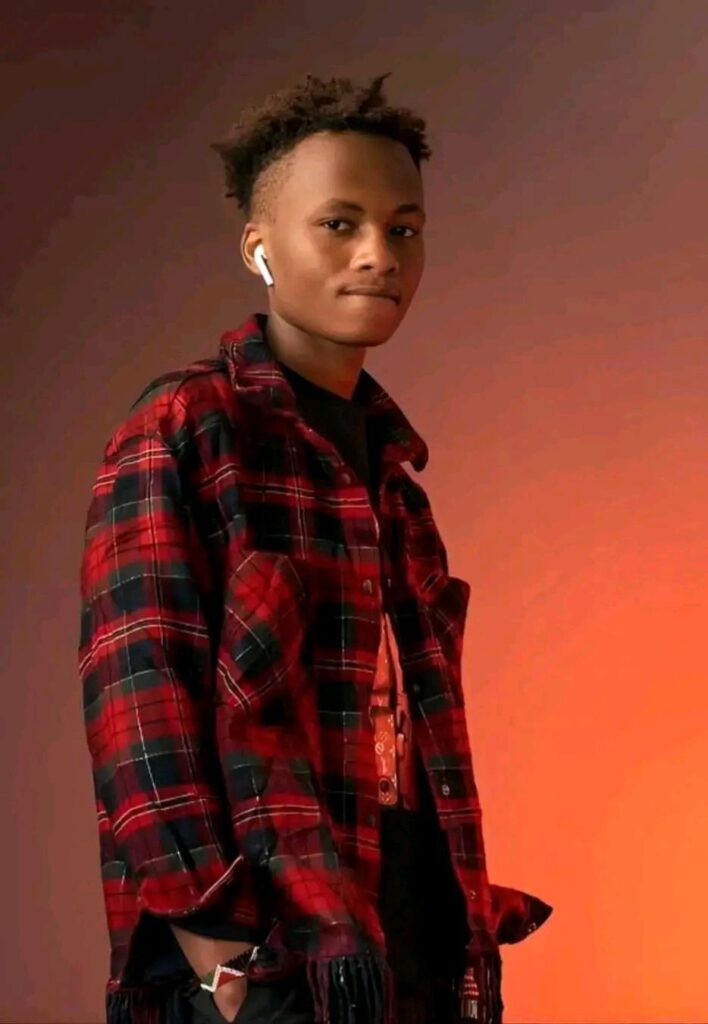
As arrangements are made and tributes pour in, the music world must reckon with the legacy Shalkiddo leaves behind—not merely as a lamented loss but as a cautionary tale and a call to action. We must think beyond memorials and ask: How do we protect, uplift, and support creatives so that a life like his does not end in such tragic circumstances?
May Shalkiddo rest in peace. His voice, his struggles, and his story deserve to be remembered not just for the tragic end, but for a life of musical promise, human vulnerability, and hope.
